_edited.jpg)
What house trends will people look back on in 30 years and think 'just why'?

Every generation believes its design choices are timeless, until time proves otherwise. From carpeted bathrooms to avocado-green kitchens, history reminds us that many once-loved trends eventually feel confusing, impractical, or simply unnecessary.
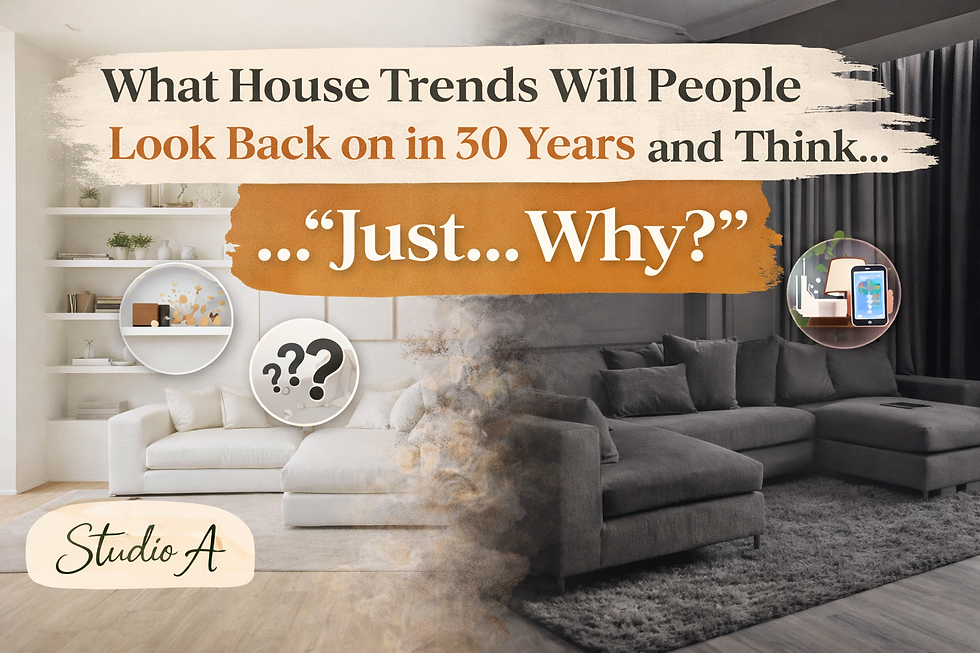
Today’s homes are no different. While many current trends feel exciting and modern, some may leave future homeowners asking, “Why did we think this was a good idea?” Let’s explore the house trends that may not age as gracefully as expected.
1. All-White, High-Maintenance Homes
White interiors became a symbol of luxury and cleanliness. White floors, white kitchens, white furniture—everything looked stunning in photos but struggled in real life.
Thirty years from now, people may question why homes were designed in ways that required constant cleaning and anxiety over daily living.
Why it may not age well: Homes should adapt to life, not restrict it.
2. Extreme Minimalism With No Personality
Minimalist homes removed visual clutter, but often removed warmth too. Empty walls, barely-there décor, and neutral overload sometimes resulted in spaces that felt more like hotel rooms than homes.
Future generations may wonder why personal stories, culture, and individuality were edited out of living spaces.
Why it may not age well: A house without personality rarely feels timeless.
3. Open Shelving Everywhere
Open shelving looked modern and stylish, but living with it revealed the truth. Dust, clutter, and constant rearranging turned a design feature into a daily chore.
Looking back, homeowners may wonder why closed storage was sacrificed for aesthetics alone.
Why it may not age well: Function always outlives fashion.
Q & A: Design Trends & Future Perspective
Q1: Why do some interior trends age badly?
A: Trends often focus on visual impact instead of long-term functionality, comfort, and lifestyle needs. When design ignores how people actually live, it rarely stands the test of time.
Q2: Does following trends mean bad design?
A: Not at all. Trends are useful when applied thoughtfully and balanced with timeless principles. Problems arise when trends are followed blindly or excessively.
Q3: How can homeowners avoid future regret?
A: By choosing quality materials, flexible layouts, and designs that reflect personal lifestyle rather than temporary popularity.
4. Overdone Accent Walls & Statement Features
Accent walls became an easy shortcut to “add design.” Bold wallpapers, heavy textures, and loud colors often dominated spaces, only to feel outdated within a few years.
Future homeowners may wonder why one wall was designed to shout while the rest whispered.
Why it may not age well: Design balance matters more than drama.
5. Technology Without a Long-Term Plan
Smart homes surged in popularity, app-controlled lights, automated systems, and voice assistants everywhere. While impressive, many systems aged faster than the homes themselves.
In 30 years, people may look back and laugh at how quickly these once-cutting-edge features became obsolete.
Why it may not age well: Technology evolves faster than architecture.
6. Grey-on-Grey Interiors
Grey dominated interiors for years—walls, floors, furniture, even kitchens. While safe and modern at the time, many spaces lost warmth and emotional depth.
Future homeowners might ask why homes were designed to feel so cold and uniform.
Why it may not age well: Comfort is emotional, not just visual.
7. Trend-Heavy Materials Used Everywhere
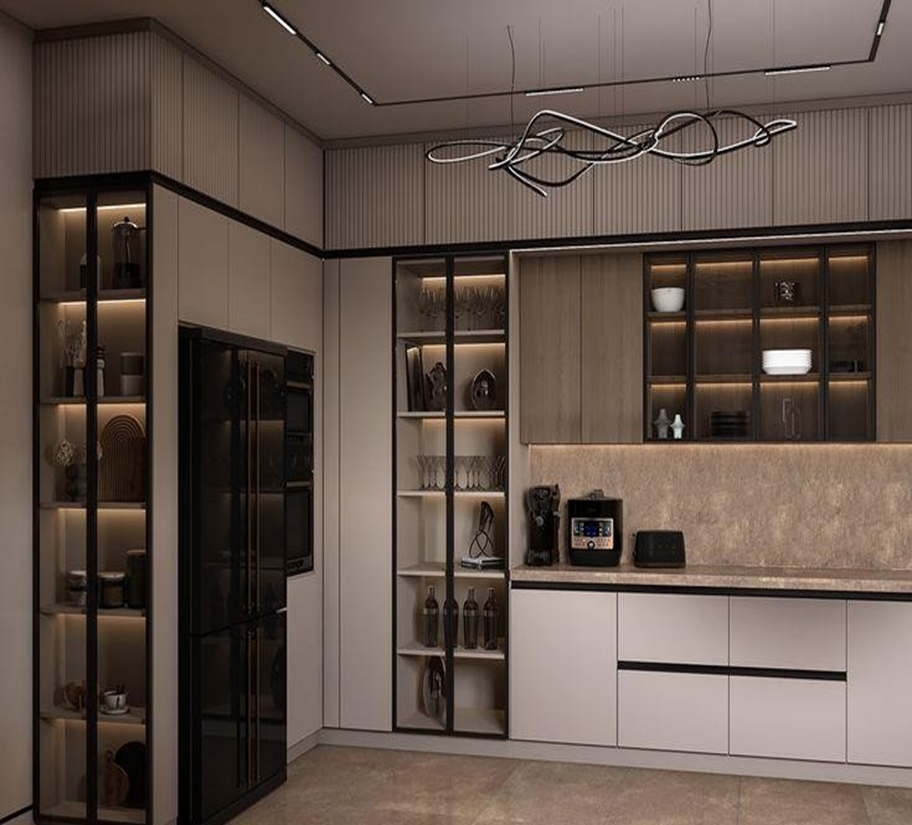
Fluted panels, glossy finishes, mirrored surfaces—when used thoughtfully, they add interest. When used everywhere, they overwhelm.
Looking back, people may question why one trending material dominated entire homes.
Why it may not age well: Subtlety lasts longer than excess.
8. Instagram-First Design Decisions
Many homes were designed to look good in photos rather than support daily life. Awkward layouts, impractical lighting, and dramatic corners existed mainly for social media.
In the future, people may wonder why homes were styled for algorithms instead of comfort.
Why it may not age well: A home should serve people, not pictures.
9. Disposable Furniture & Short-Term Choices
Fast furniture and quick fixes became popular for convenience and cost. However, lack of durability and craftsmanship made many homes feel temporary.
Future generations may question why longevity was sacrificed so easily.
Why it may not age well: Quality always outlasts convenience.
10. Ignoring Climate, Culture & Context
Homes designed without considering climate, ventilation, or local materials often struggled with comfort and efficiency.
Looking back, people may wonder why regional design wisdom was ignored.
Why it may not age well: Good design respects its environment.
Final Thoughts: Designing Homes That Stand the Test of Time
Trends will always come and go, but timeless design is intentional. The homes people admire decades from now will be those that balanced beauty with function, personality with practicality, and innovation with longevity.
At Studio A Interior Designs, we believe great interiors are not built around trends, but around people, lifestyle, and purpose. Our design approach focuses on thoughtful layouts, quality materials, and customized solutions that evolve with time rather than expire with trends. By blending modern innovation with timeless principles, we create spaces that feel relevant today and meaningful for years to come.
Because truly good design never makes you ask, “Why did we do that?” It makes you say, “This still feels right.”
Ready to design your future-ready home? Studio A Interior Designs is here to transform your vision into reality.
👉 Know about our Interior Design Services:
Contact Studio A
📞 +91 63003 54834 📧 info@studioainteriordesign.in


Comments